





Key Elements of Android Game Development
Developing games for Android mobiles is a dynamic field, combining creativity (design, art, sound) with engineering (programming, performance, device compatibility).
- 30-day free trial
- No credit card required
- Cancel anytime
- 30-day free trial
- No credit card required

Game Concept & Design
Game Idea & Genre: First, decide what kind of game: casual, puzzle, platformer, strategy, RPG, shooter, multiplayer, etc. The genre shapes almost everything: art style, complexity, target audience, monetization.
Target Audience & Platform Research: Who will play your game? What age group, what devices (low‑end, mid, high‑end)? What other games they like. Research helps in making the game fun, feasible, and aligned with expectations.
Gameplay Mechanics: Define core mechanics: controls (touch, tilt, gestures), feedback loops, difficulty curve, level progression, rewards. Mechanics need to be well thought out before heavy development.
Monetization Strategy: Free with ads, in‑app purchases, paid up front, subscriptions, freemium, etc. This also influences design (e.g. how many levels, what content is free vs paid, how economy works).
Art, Sound, UI/UX Design: Style (2D/3D), characters, environment, animations, sound effects, music. Even in more simple games, polish in UI and sound often differentiates success.
Technical Tools & Frameworks
Game Engines / SDKs: Some popular ones are Unity, Unreal Engine, Godot, Defold. They offer physics, rendering, animation, cross‑platform options. Choosing the engine affects development cost, performance, features.
Development Languages
Java, Kotlin for Android; in many engines, scripting languages or C# (Unity). Native modules may use C/C++.
AI Development
Custom AI solutions carefully built to fit your unique business needs, from predictive modeling to advanced natural language processing.

Process Automation
Streamline repetitive tasks with AI-driven automation to reducing operational costs and improving productivity.

Android Native
For performance‑sensitive parts, many games use C++ via Android NDK; also graphics APIs like OpenGL ES or Vulkan.
Cloud Integration
Secure and scalable cloud services to connect, store, and manage your business operations efficiently and reliability.

AI Development
Custom AI solutions carefully built to fit your unique business needs, from predictive modeling to advanced natural language processing.

Cost Factors
What determines how much an Android game will cost to develop? Here are the main factors:
Game Complexity: Simple 2D games cost far less than 3D, multiplayer, or AR/VR games. More complex mechanics, physics, AI raise costs.
Art & Assets Quality: Custom 3D models, high‑resolution textures, detailed animations, high‑quality sound/music cost more. If you use pre‑made assets, cost can be lower.
Engine / Licensing Costs: Some engines are free or have low fees for small revenues; others have licensing or royalty models. Using third‑party plugins, middleware, or specialized tools can add costs.
Platform Support & Device Diversity: Supporting older Android versions or low‑end devices adds testing and optimization work. More devices = more QA.
Team Location & Skill Level: Rates for developers, artists, sound designers vary a lot by country/region. Freelancers vs in‑house vs outsourcing.
Backend/Servers: If multiplayer, leaderboards, cloud saving, or real‑time features are needed, server costs, infrastructure, and network coding add to cost.
Testing & Maintenance: Testing across devices, fixing bugs, and after launch support cost both time & money.
Marketing & Launch Costs: Visibility, user acquisition, store optimization, promotional materials, trailers.
Timeframe: Rushing a game typically increases cost (more people, overtime, less efficient work) and/or reduces quality.
Flexible Pricing for Every Smart Business
| Package Name | What’s Included | Approx Price Band (USD) | Features / Expectations |
|---|---|---|---|
| Starter / Mini‑Game Package | One simple 2D game, few levels (e.g. 5‑10), simple graphics & sound, basic UI, maybe ad integration, no multiplayer, minimal backend | $10,000 – $25,000 | Developable in ~1‑3 months; suitable for casual/puzzle games for testing ideas. Low art polish. Minimal device testing. |
| Basic 2D Game Package | More levels (20‑30), more polished UI/UX, better graphics, sound/music, in‑app purchases or ad monetization, more devices support, basic analytics | $25,000 – $60,000 | ~3‑5 months development; better polish, more QA, nicer art, better user experience. |
| Mid‑Tier Package | Basic 3D or advanced 2D, custom art, more animations, moderate physics, offline & maybe light online features (leaderboards etc.), broader device support, more localization, better polish | $60,000 – $150,000 | ~5‑9 months. Higher asset cost, more dev & QA time. Possibly small backend/server work. |
| Multiplayer / Advanced Package | Real‑time or turn‑based multiplayer, complex features (social, chat, matchmaking), richer graphics, perhaps AR/VR features, level editor, more extensive backend, strong art, sound, music, polish, possibly cross‑platform if needed | $150,000 – $300,000+ | 9‑15 months or more. Team includes specialized roles (network engineers, backend, artists, sound designers). |
| AAA / Premium Package | Full‑scale game with very high fidelity 3D graphics, cinematic, AR/VR, very large content, frequent updates, possibly live operations (events, tournaments), cross‑platform strategy, significant marketing budget | $300,000 – $1,000,000+ | 12‑24 months or longer; large team; heavy investment; likely done by or with an established studio. |
If working in a lower cost region or validating a game idea, sometimes these costs can be lowered significantly by using simpler art, asset packs, fewer devices, outsourcing, etc.
Challenges & Best Practices
Device Fragmentation & Performance
Android devices vary widely in hardware: CPU, GPU, RAM, screen resolution, OS versions. Ensuring your game runs well across enough devices is a big job. You’ll need to pick a minimum spec, test on many devices or use cloud testing services.
Optimization
Graphics rendering, load times, memory usage, battery usage, thermal behavior are all critical. Poor optimization leads to user dissatisfaction, bad reviews, low retention.








Innovative AI Products for Modern Businesses
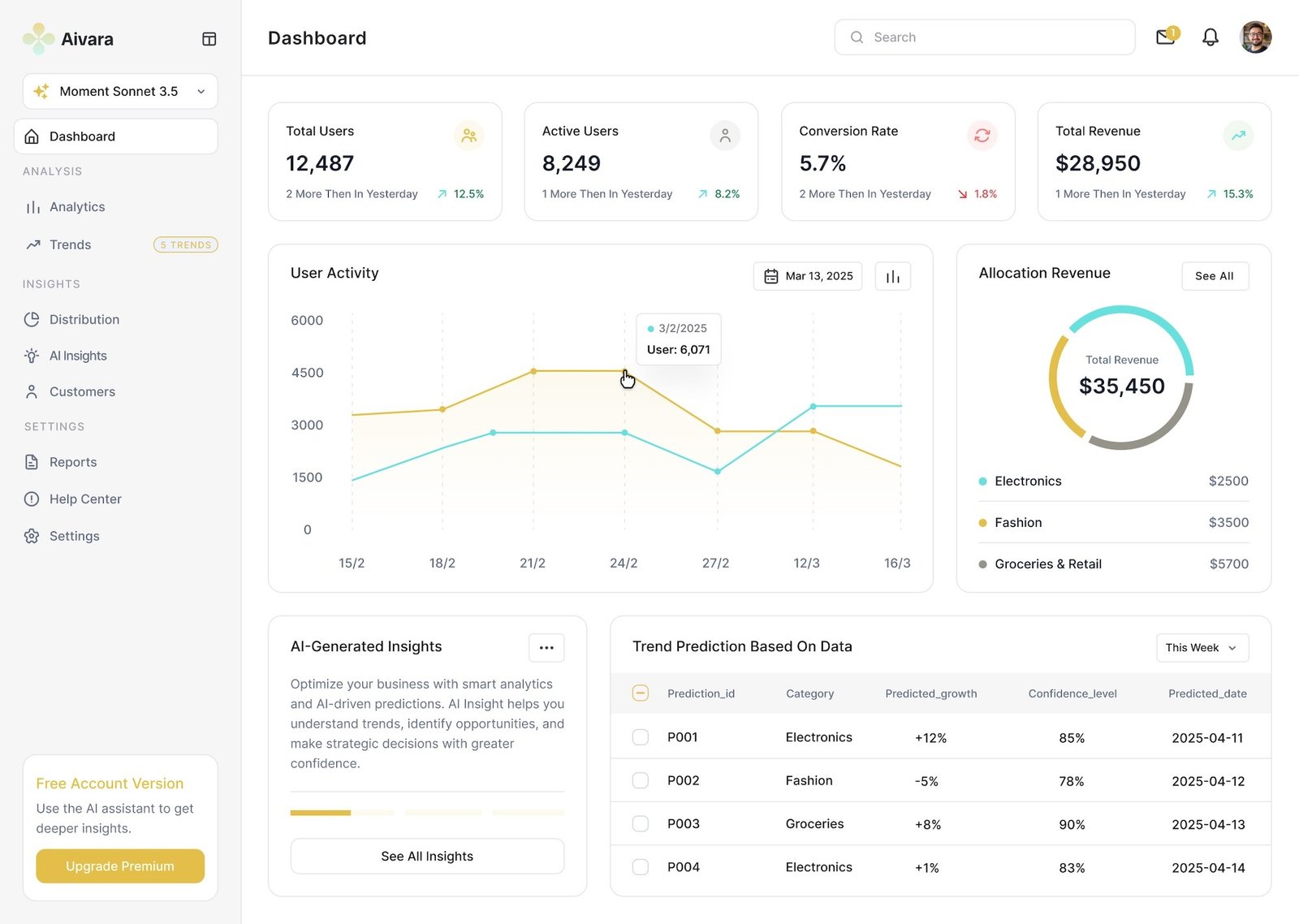
Unlock Deep Insights
Neurolytics Vision transforms complex data into clear, actionable insights with real-time analytics and AI-powered predictions.
- Real-time analysis
- Predictive data insights
- Customizable report formats
- High-level accuracy
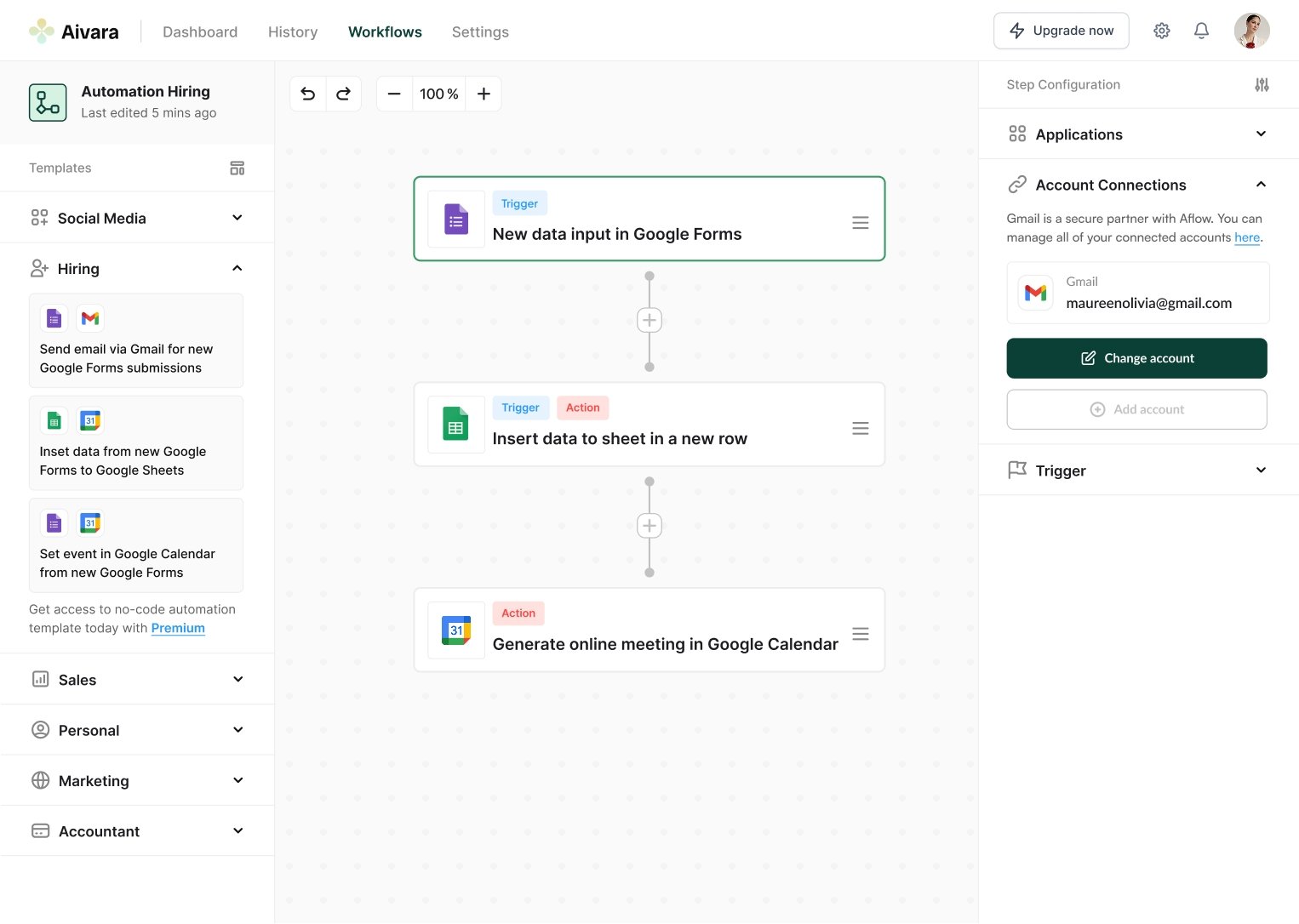
Automate With Precision
Cognisphere Flow automates workflows with AI precision, integrating seamlessly with your systems for maximum productivity.
- Process flow optimization
- Seamless system integration
- Significant error reduction
- Scalable automation capability
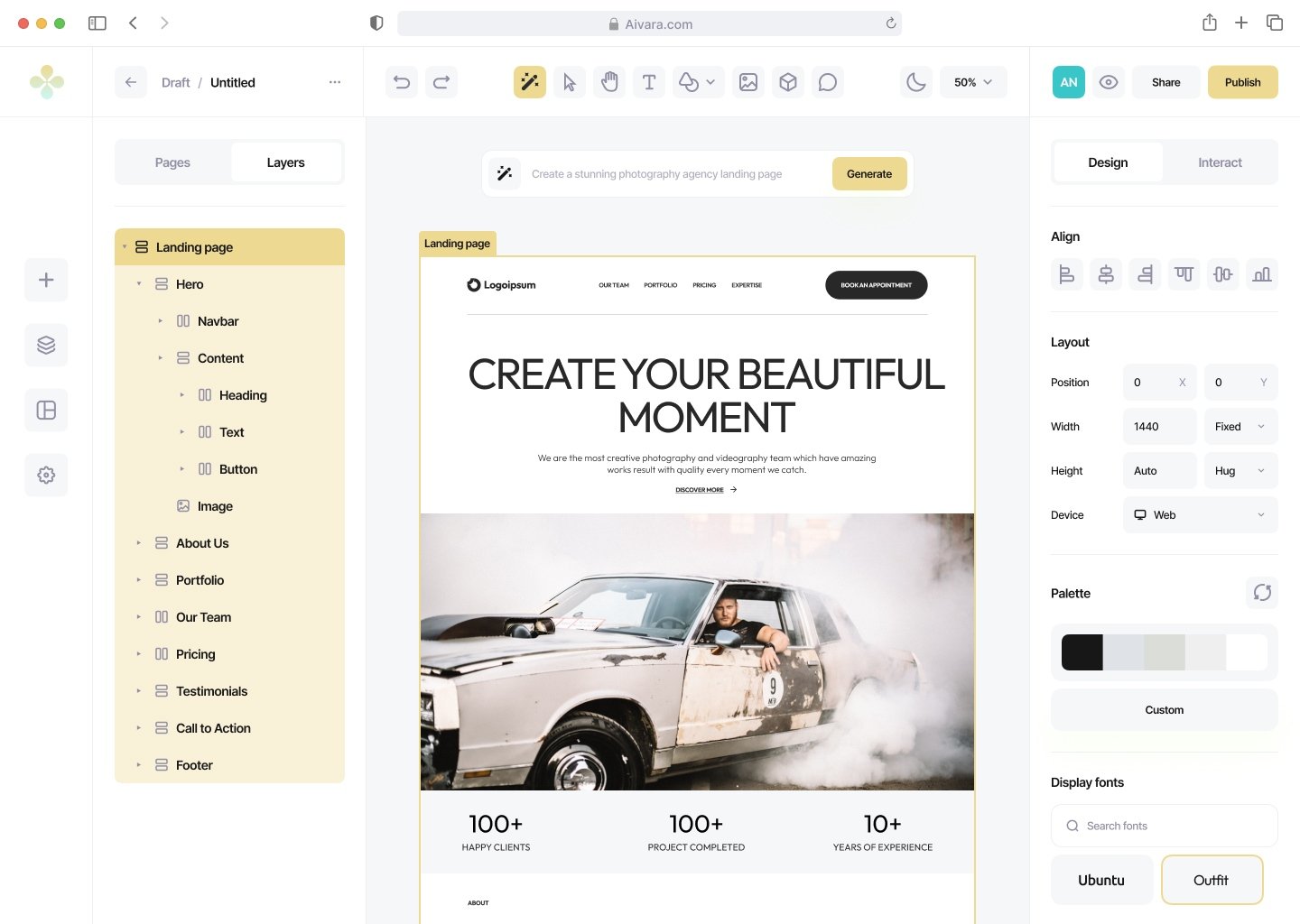
Create Custom Intelligence
Syntharion Builder lets you design, train, and deploy AI models without complex coding to accelerate digital transformation.
- Easy AI development
- Prebuilt model library
- Drag-and-drop interface
- Fast model deployment
Connect Data Seamlessly
Infinitra Cloud offers secure, scalable cloud integration for storage, sharing, and analysis with advanced encryption protocols.
- Secure data storage
- Multi-platform access
- Advanced data encryption
- Scalable cloud infrastructure
Meet the Brilliant Minds Behind Development

Thomas Anderson
Project Manager

James Foster
Machine Engineer

Scarlett Dean
UX Researcher

Benjamin Cole
Data Scientist

Sophia Lauren
AI Developer

George White
Cloud Architect
Marketing & Visibility
Unseen games don’t make money. ASO (App Store Optimization), social media, influencer marketing, ads, trailers, press outreach—all are needed. Budgeting for marketing is as important as production cost.
StrideLab Energy
Henry Price, Data Analyst
Data consolidation tool integrated 12 separate databases, cutting report preparation time down from 5 full days to just 2 hours.
Spotlight Media
Grace Evans, Marketing Lead
Using ad optimization AI, Spotlight reduced cost-per-click by 28% and increased campaign conversions by 46% within two months.
Common Questions About Our Services
What tools/engine should I use?
Depends on your goals. Unity is strong for both 2D and 3D and has a large ecosystem. Unreal is excellent for high‑end 3D. Godot is open‑source and growing. If your game is simple, lightweight options may suffice.
Do I need to know Java/Kotlin or can I use scripting?
You can use scripting languages in engines (C# in Unity, GDScript in Godot). But for performance‑critical parts, or if doing native Android development, knowing Java/Kotlin (and sometimes C/C++) helps.
How long will my game take to build?
Depends on complexity. Simple 2D games can take 1‑3 months; more complex games or those with multiplayer or large content might take 6‑12 months or more.
How do I test across many Android devices?
You can use a combination of real devices you have, borrow or rent others, use device labs, and/or cloud testing services that simulate many device models. Prioritize the popular / target devices.